Mackie DLZ160S 16-Channel Digital Mixer vs Phenyx Pro Audio Mixer
Too close to call, take the Mackie DLZ160S 16-Channel Digital Mixer. On every spec the catalog holds for both of these, they match. With nothing to...
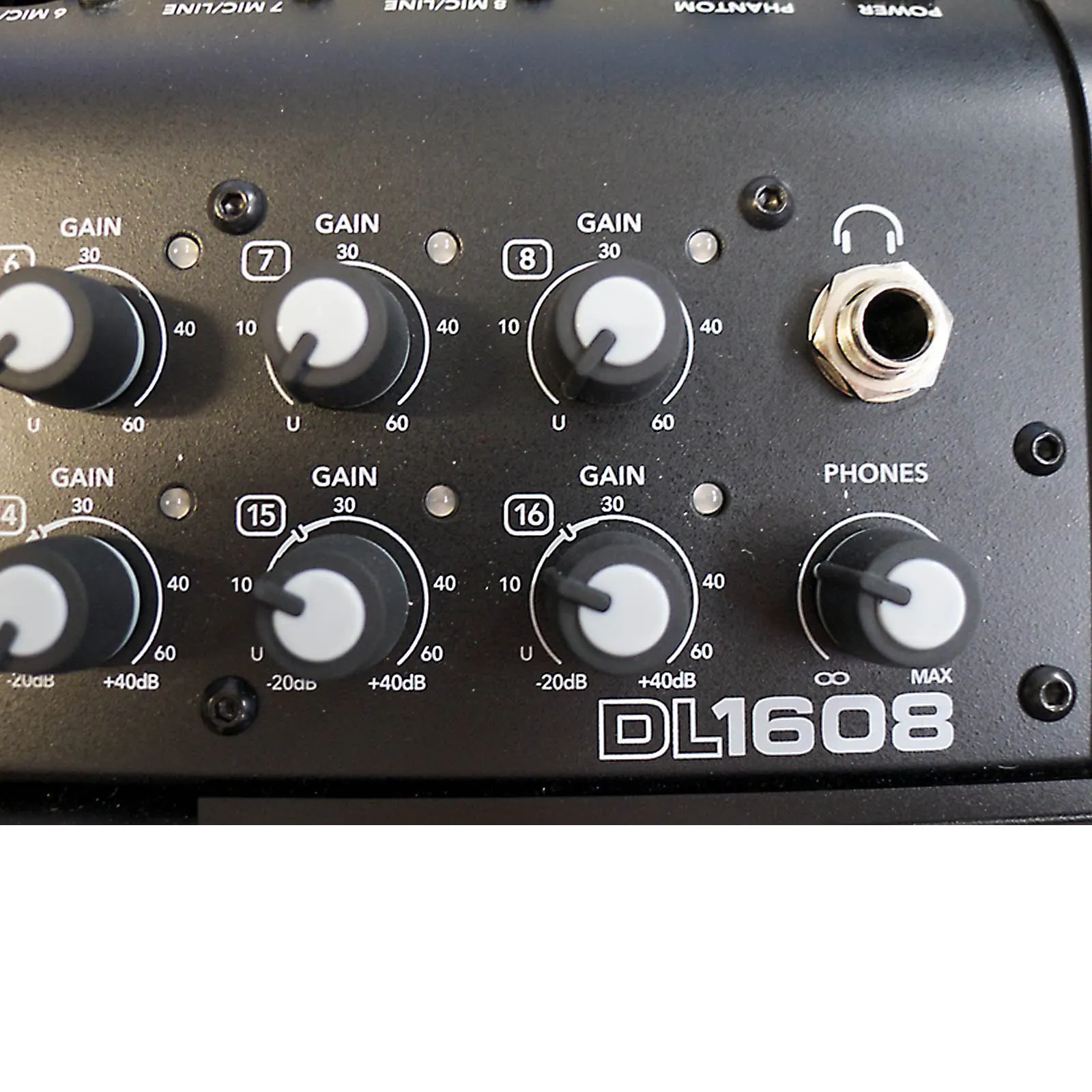
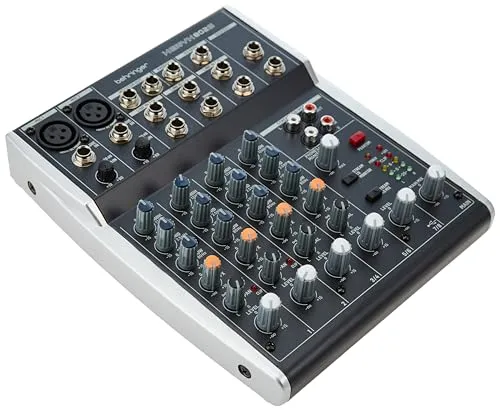
The Ruling
Mackie DLZ160S 16-Channel Digital Mixer or Phenyx Pro Audio Mixer? Too close to call — take the Mackie DLZ160S 16-Channel Digital Mixer.
On every spec the catalog holds for both of these, they match. With nothing to separate them on paper, $30.00 is the only real difference, and the Mackie DLZ160S 16-Channel Digital Mixer is the cheaper side of it.
The Split
How closely these line up
Mackie DLZ160S 16-Channel Digital Mixer
Creator mixer built to manage microphones, monitoring, and multi-source audio control for streaming or production.
It is the cheaper of the two, by $30.00.
Leads on
- Nothing on the spec sheet goes this one’s way.
Phenyx Pro Audio Mixer
Multi-channel analog mixer with EQ and routing controls for small creator setups.
That costs $30.00 more than the Mackie DLZ160S 16-Channel Digital Mixer.
Leads on
- Nothing on the spec sheet goes this one’s way.
Where they’re identical
These 2 specs are the same on both of them, so none of it is part of the decision.
- Phantom Power Yes
- XLR Inputs 2
The Record
22 specs, grouped by area
A group is won by whoever takes more of its rows outright. Specs the catalog cannot rank are shown but never decide a group.
Bottom Line
Who each one is for
The Mackie DLZ160S 16-Channel Digital Mixer is the pick on the specs the catalog holds, but “better on paper” and “right for you” are different questions. Each case below names what the product is actually good at and who that suits.
Frequently Asked Questions
What is the main difference between Mackie DLZ160S 16-Channel Digital Mixer and Phenyx Pro Audio Mixer?
On the specifications the catalog records, these two are near-identical: they match on 2 specs and nothing measurably separates them. Two audio mixers from Mackie and Phenyx Pro, each taking a different approach to channel count and routing flexibility.
Which is better for streaming, Mackie DLZ160S 16-Channel Digital Mixer or Phenyx Pro Audio Mixer?
Too close to call — take the Mackie DLZ160S 16-Channel Digital Mixer. On every spec the catalog holds for both of these, they match. With nothing to separate them on paper, $30.00 is the only real difference, and the Mackie DLZ160S 16-Channel Digital Mixer is the cheaper side of it.
Is the Phenyx Pro Audio Mixer worth the extra $30 over the Mackie DLZ160S 16-Channel Digital Mixer?
The Phenyx Pro Audio Mixer costs $129.99 against $99.99, a difference of $30. On the catalog's specifications it does not lead the Mackie DLZ160S 16-Channel Digital Mixer anywhere, so the premium buys brand, build or something the catalog does not record. Whether that is worth it depends on which of those you would actually use.