LG UltraGear 27GP850-B vs ASUS ROG Swift PG27AQN 27" 4K 144Hz
LG UltraGear 27GP850-B vs ASUS ROG Swift PG27AQN: It is a toss-up, take the LG UltraGear 27GP850-B. Neither one leads on more specs than the other: the LG...
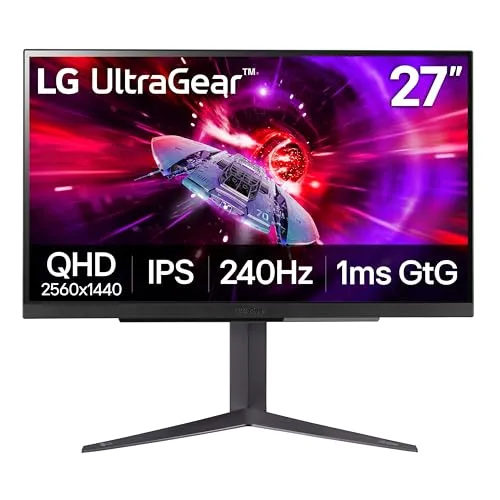
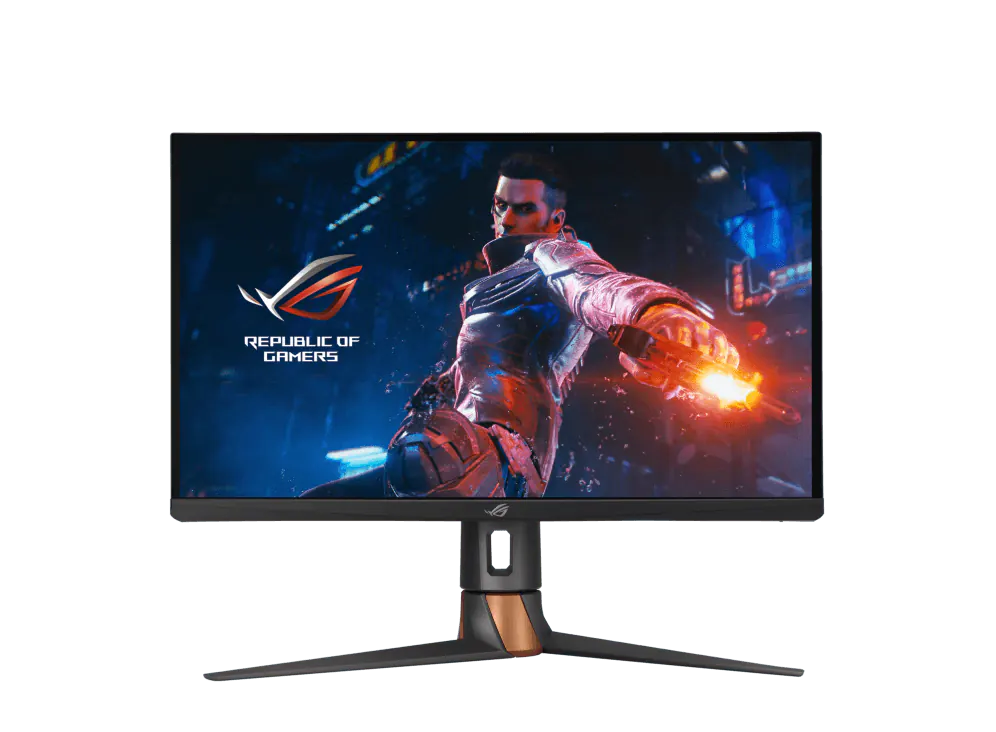
The Ruling
LG UltraGear 27GP850-B or ASUS ROG Swift PG27AQN 27" 4K 144Hz? It is a toss-up — take the LG UltraGear 27GP850-B.
Neither one leads on more of the chart than the other: the LG UltraGear 27GP850-B takes Refresh Rate, the ASUS ROG Swift PG27AQN 27" 4K 144Hz takes Screen Space. With the trade even, $289.01 is the tiebreaker, and the LG UltraGear 27GP850-B is the cheaper side of it.
Unless…
- You need screen space — get the ASUS ROG Swift PG27AQN 27" 4K 144Hz.
At a Glance
Where each one actually leads
Every axis is scored out of 10 from the catalog specs below. The scores are relative to the products on this page, so a 10 means “best of these”, not “perfect”, and two identical columns mean the catalog genuinely cannot separate them. Axes the catalog holds no figure for on both sides are left off entirely rather than guessed at.
| Category | LG UltraGear 27GP850-B | ASUS ROG Swift PG27AQN 27" 4K 144Hz |
|---|---|---|
| Screen Space | 4.4/10 | 10/10 |
| Refresh Rate | 10/10 | 8.7/10 |
| Value | 10/10 | 5.5/10 |
The Split
What each one wins
LG UltraGear 27GP850-B
27-inch QHD Nano IPS gaming monitor with fast response and high refresh for fluid gameplay.
On paper the LG UltraGear 27GP850-B takes refresh rate (165Hz (180Hz OC), +21Hz). It gives up resolution to the ASUS ROG Swift PG27AQN 27" 4K 144Hz. It is the cheaper of the two, by $289.01.
Leads on
-
Refresh Rate +21Hz165Hz (180Hz OC)144Hz
Higher refresh rate makes gameplay smoother on your gaming monitor.
ASUS ROG Swift PG27AQN 27" 4K 144Hz
Display option aimed at creator desks, gameplay viewing, and multi-purpose editing or streaming setups.
On paper the ASUS ROG Swift PG27AQN 27" 4K 144Hz takes resolution (4K). It gives up refresh rate to the LG UltraGear 27GP850-B. That costs $289.01 more than the LG UltraGear 27GP850-B.
Leads on
-
Resolution4K2560x1440
Higher resolution means more screen space for OBS, chat, and alerts.
Where they’re identical
One spec is the same on both of them, so none of it is part of the decision.
- Dimensions 27-inch
The Record
7 specs, grouped by area
A group is won by whoever takes more of its rows outright. Specs the catalog cannot rank are shown but never decide a group.
Bottom Line
Who each one is for
The LG UltraGear 27GP850-B is the pick on the specs the catalog holds, but “better on paper” and “right for you” are different questions. Each case below names what the product is actually good at and who that suits.
Frequently Asked Questions
What is the main difference between LG UltraGear 27GP850-B and ASUS ROG Swift PG27AQN 27" 4K 144Hz?
The largest gap is resolution, where the ASUS ROG Swift PG27AQN 27" 4K 144Hz leads — 4K against 2560x1440. Across the catalog's specification sheet the two differ on 2 specs. They match on 1 spec, including dimensions. Two monitors from LG and ASUS, each taking a different approach to color accuracy and screen real estate.
Which is better for streaming, LG UltraGear 27GP850-B or ASUS ROG Swift PG27AQN 27" 4K 144Hz?
It is a toss-up — take the LG UltraGear 27GP850-B. Neither one leads on more of the chart than the other: the LG UltraGear 27GP850-B takes Refresh Rate, the ASUS ROG Swift PG27AQN 27" 4K 144Hz takes Screen Space. With the trade even, $289.01 is the tiebreaker, and the LG UltraGear 27GP850-B is the cheaper side of it.
Is the ASUS ROG Swift PG27AQN 27" 4K 144Hz worth the extra $289 over the LG UltraGear 27GP850-B?
The ASUS ROG Swift PG27AQN 27" 4K 144Hz costs $649.00 against $359.99, a difference of $289. The premium buys resolution (4K). Whether that is worth it depends on which of those you would actually use.