Audio-Technica AT2035 Cardioid Condenser vs Rode NT1-A Large-diaphragm Condenser
Audio-Technica AT2035 vs Rode NT1-A: Get the Rode NT1-A Large-diaphragm Condenser, narrowly. The Rode NT1-A Large-diaphragm Condenser wins Low-End Reach...
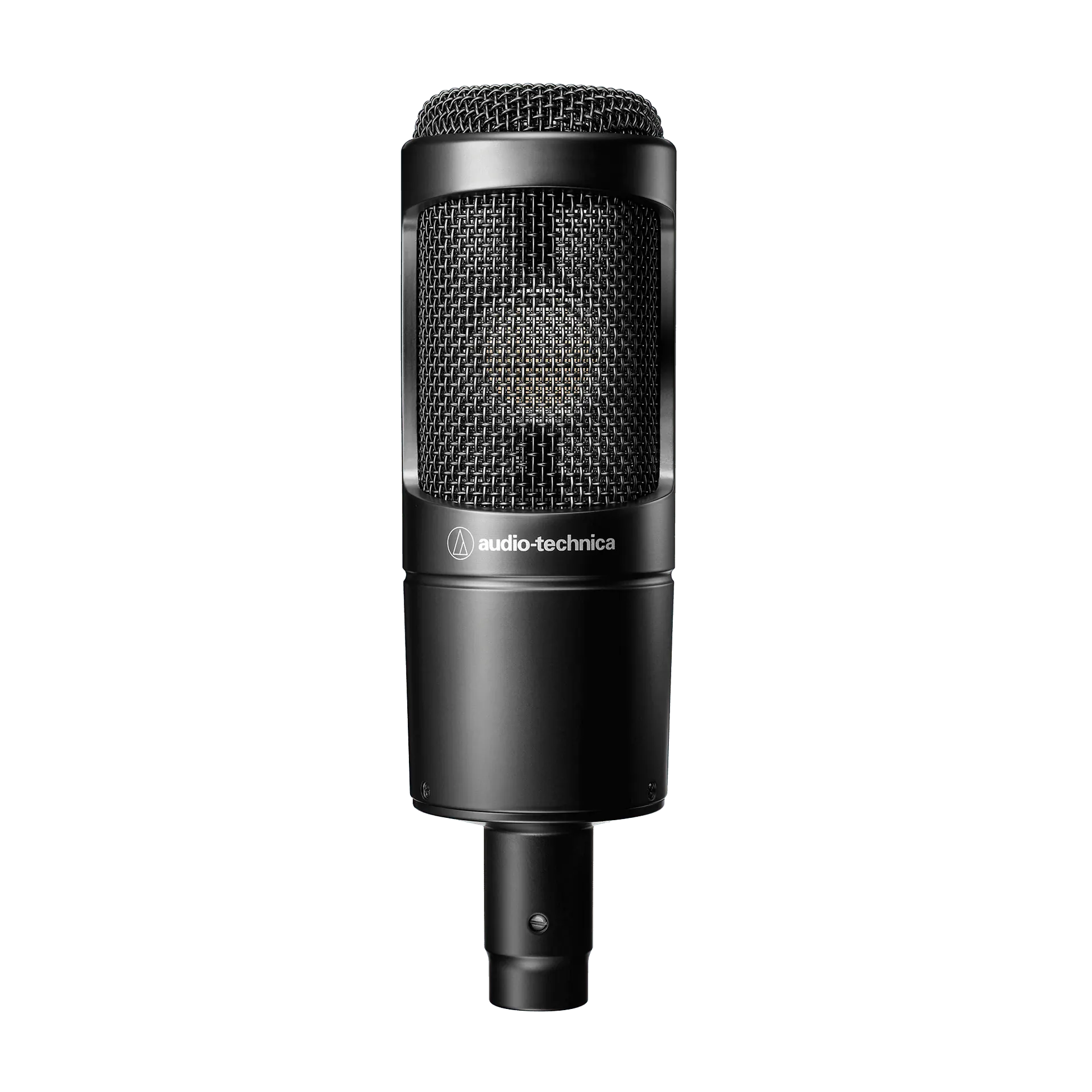
The Ruling
Audio-Technica AT2035 Cardioid Condenser or Rode NT1-A Large-diaphragm Condenser? Get the Rode NT1-A Large-diaphragm Condenser, narrowly.
The Rode NT1-A Large-diaphragm Condenser wins Low-End Reach and High-End Reach — but only just, and the rest of the chart is close. It is the pricier of the two at $169, so the Audio-Technica AT2035 Cardioid Condenser stays the pick if $10 matters more than those specs.
Unless…
- You need audio resolution — get the Audio-Technica AT2035 Cardioid Condenser.
At a Glance
Where each one actually leads
Every axis is scored out of 10 from the catalog specs below. The scores are relative to the products on this page, so a 10 means “best of these”, not “perfect”, and two identical columns mean the catalog genuinely cannot separate them. Axes the catalog holds no figure for on both sides are left off entirely rather than guessed at.
| Category | Audio-Technica AT2035 Cardioid Condenser | Rode NT1-A Large-diaphragm Condenser |
|---|---|---|
| Audio Resolution | 10/10 | 5.8/10 |
| Low-End Reach | 6.5/10 | 10/10 |
| High-End Reach | 9.3/10 | 10/10 |
| Value | 10/10 | 9.4/10 |
The Split
What each one wins
Audio-Technica AT2035 Cardioid Condenser
Broadcast-style microphone designed for vocal capture, podcasting, and treated streaming setups.
On paper the Audio-Technica AT2035 Cardioid Condenser takes sample rate (96kHz, +48kHz) and bit depth (24-bit, +8-bit). It gives up frequency response to the Rode NT1-A Large-diaphragm Condenser. It is the cheaper of the two, by $10.00.
Leads on
-
Sample Rate +48kHz96kHz48kHz
On USB mics, the internal sample rate affects recording quality.
-
Bit Depth +8-bit24-bit16-bit
On USB mics, higher bit depth gives more dynamic range.
Rode NT1-A Large-diaphragm Condenser
Broadcast-style microphone designed for vocal capture, podcasting, and treated streaming setups.
On paper the Rode NT1-A Large-diaphragm Condenser takes frequency response (20Hz-20kHz). It gives up sample rate and bit depth to the Audio-Technica AT2035 Cardioid Condenser. That costs $10.00 more than the Audio-Technica AT2035 Cardioid Condenser.
Leads on
-
Frequency Response20Hz-20kHz80Hz-16kHz
Wider frequency response captures more of the audible spectrum, from deep bass to airy highs.
Where they’re identical
These 2 specs are the same on both of them, so none of it is part of the decision.
- Connection Type xlr
- Phantom Power Yes
The Record
9 specs, grouped by area
A group is won by whoever takes more of its rows outright. Specs the catalog cannot rank are shown but never decide a group.
Bottom Line
Who each one is for
The Rode NT1-A Large-diaphragm Condenser is the pick on the specs the catalog holds, but “better on paper” and “right for you” are different questions. Each case below names what the product is actually good at and who that suits.
Frequently Asked Questions
What is the main difference between Audio-Technica AT2035 Cardioid Condenser and Rode NT1-A Large-diaphragm Condenser?
The largest gap is sample rate, where the Audio-Technica AT2035 Cardioid Condenser leads — 96kHz against 48kHz. Across the catalog's specification sheet the two differ on 3 specs. They match on 2 specs, including connection type and phantom power. Two microphones from Audio-Technica and Rode, each taking a different approach to sound character and pickup pattern.
Which is better for streaming, Audio-Technica AT2035 Cardioid Condenser or Rode NT1-A Large-diaphragm Condenser?
Get the Rode NT1-A Large-diaphragm Condenser, narrowly. The Rode NT1-A Large-diaphragm Condenser wins Low-End Reach and High-End Reach — but only just, and the rest of the chart is close. It is the pricier of the two at $169, so the Audio-Technica AT2035 Cardioid Condenser stays the pick if $10 matters more than those specs.